

99%+ purity · USA shipping
Growth Hormone Secretagogues (GHS)
Research-grade lyophilized peptides. Third-party tested, COA available on request, shipped within 24 hours from our USA facility.
Growth Hormone Secretagogues (GHS)
Growth hormone secretagogues are peptides studied for their interaction with the GH/GHRH axis in endocrine research. This category features Sermorelin and CJC-1295 + Ipamorelin research blends, each supplied at 99%+ purity with a batch-specific COA. For laboratory research use only.
Working out dilutions before you order? Use the free peptide reconstitution calculator to convert any vial mass and diluent volume into concentration, draw volume and U-100 syringe graduations.
Showing all 3 results
-
In stock 24 h shipSale!
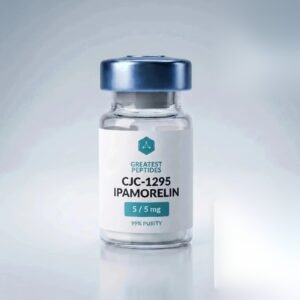
CJC-1295 (no DAC) + Ipamorelin 5 mg / 5 mg
Original price was: $72.99.$64.99Current price is: $64.99. Add to cart -
In stock 24 h shipSale!
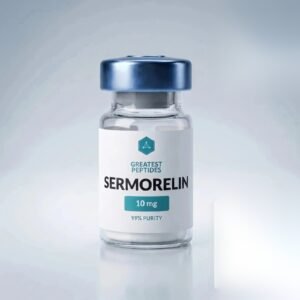
Sermorelin Acetate 10 mg
Original price was: $55.99.$49.99Current price is: $49.99. Add to cart -
In stock 24 h shipSale!
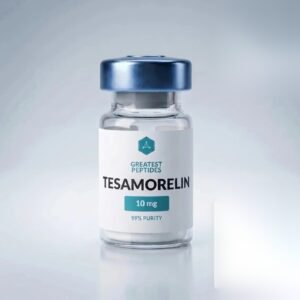
Tesamorelin 10 mg
Original price was: $95.99.$84.99Current price is: $84.99. Add to cart
Frequently Asked Questions
What defines a growth hormone secretagogue in research terms?
The label covers compounds studied for their action on the somatotropic axis rather than for direct hormone replacement. This category includes GHRH-family analogs such as sermorelin and tesamorelin alongside the CJC-1295 and ipamorelin blend.
What is the difference between a GHRH analog and a ghrelin-receptor peptide?
They are described in the literature as acting through different receptors. Sermorelin, tesamorelin and CJC-1295 are GHRH-family sequences, while ipamorelin is characterized as a growth hormone secretagogue receptor ligand. That difference is why the two are often paired in the same experimental design.
Why does the CJC-1295 listing specify no DAC?
DAC refers to a drug affinity complex modification that extends circulating half-life in published work. The material in this catalog is the unmodified CJC-1295 sequence, sometimes written as modified GRF 1-29, and the listing states this so it is not confused with the DAC version.
How are two-component blends verified analytically?
A blended vial is characterized for each sequence rather than as a single peak. The Certificate of Analysis reports purity and identity for both components so the stated ratio can be checked before the material enters a study.